General Waste Management


Goal and Performance Highlights
Goal

Performance 2025


Office Waste Management Performance
| Description | Unit | 2023 (Baseline Year) | 2024 | 2025 | Change from Baseline Year |
|---|---|---|---|---|---|
| Total Waste Generated | tonne | 207 | 252 | 281 | +36% |
| Waste Diverted for Recycling | tonne | 1.2 | 4 | 12 | +900% |
| Recycling Rate (Recycled Waste as a Percentage of Total Waste Generated) | % | 1.1% | 1.6% | 4.3% | +291% |
| Avoided Carbon Emissions | tCO2e | 5.96 | 5.27 | 11.33 | +90% |
| Equivalent Trees Planted | Trees | 338 | 453 | 561 | +66% |
Commitment, Challenge and Opportunity
The Company is committed to managing non-hazardous waste and non-hazardous waste materials in accordance with the 5Rs principles (Reduce, Reuse, Recycle, Renewable, and Reject) to promote resource efficiency, minimize environmental impacts, and support the transition toward a circular economy. The Company aims to increase its waste recycling rate and reduce the amount of waste sent to landfill as part of its long-term Zero Landfill ambition.
Nevertheless, waste management remains challenging due to the diverse nature of waste streams, the need for effective waste segregation at source, and the active participation required from employees, contractors, and stakeholders throughout the value chain. Additional challenges include limitations in recycling infrastructure, waste management costs, and increasingly stringent environmental regulations and stakeholder expectations.
At the same time, the Company recognizes that effective waste management presents significant opportunities to improve resource efficiency, reduce waste disposal costs, create value from reusable and recyclable materials, and lower greenhouse gas emissions associated with waste disposal. Furthermore, strong waste management practices enhance the Company's environmental reputation and strengthen the confidence of stakeholders, investors, and customers, thereby supporting the Company's long-term sustainable growth.
Management and Operational Approach
The Company has established a systematic waste management framework covering waste segregation, collection, transportation, recycling, and disposal processes across its head office and operational areas. The framework aims to promote resource efficiency, increase recycling rates, reduce waste sent to landfill, and support the Company's long-term Zero Landfill ambition.
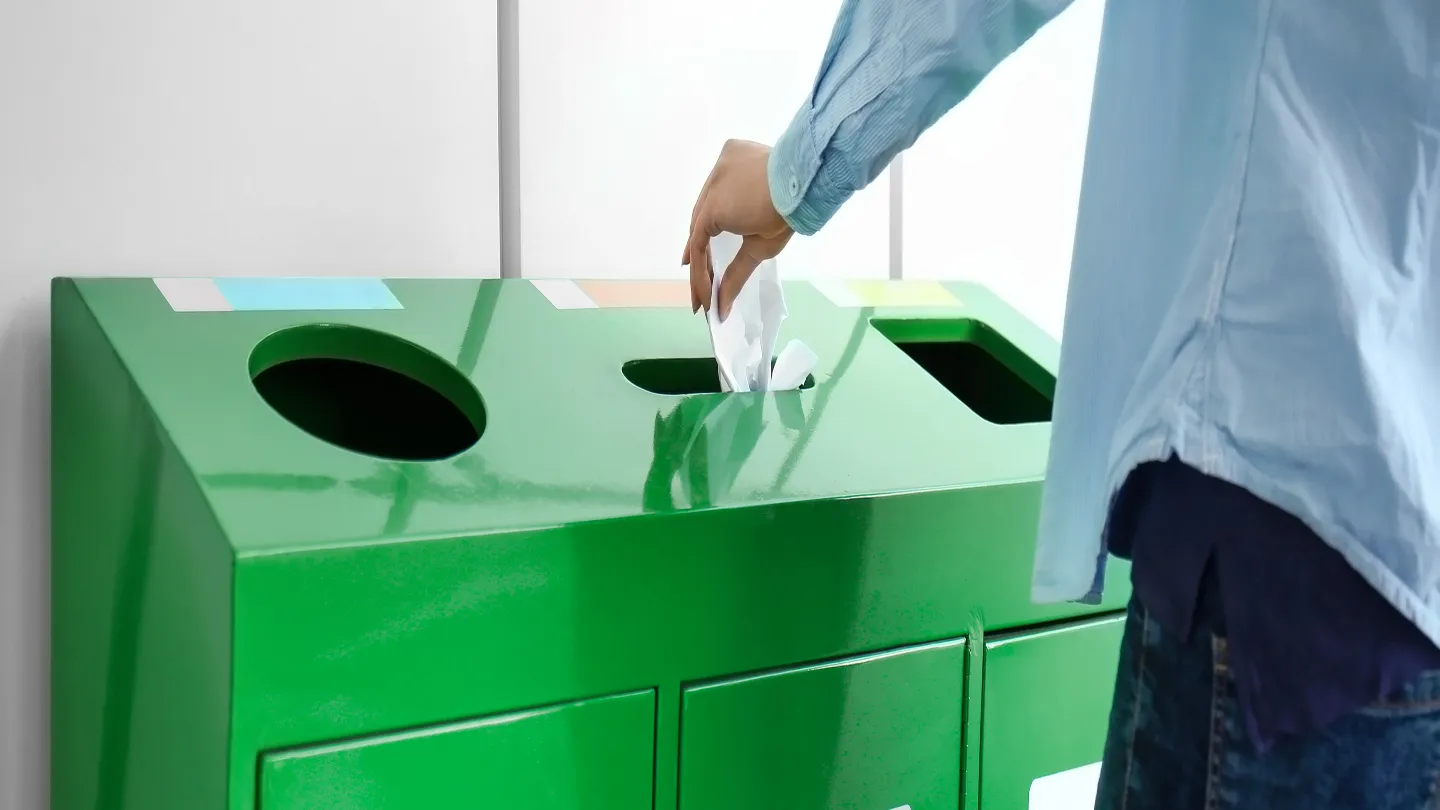
To facilitate effective waste management, waste collection bins are provided and clearly categorized according to waste type, including general waste, recyclable waste, hazardous waste, food waste, and infectious waste. Designated waste collection and disposal areas are established at the Ploenchit Head Office and Remix Office to ensure proper waste segregation and handling.
The Company has implemented standardized procedures for waste collection, storage, and transportation. Waste is regularly inspected and collected, while recyclable and other waste streams are managed through licensed and certified waste management and recycling service providers to ensure compliance with applicable regulations and environmental standards.
In addition, the Company continuously promotes waste reduction through environmental campaigns and awareness activities. Employees are required to segregate waste correctly, maintain cleanliness within waste disposal areas, and avoid disposing of waste outside designated locations. The Company also encourages the reduction of single-use plastics and the adoption of environmentally friendly alternatives where feasible.
To foster a culture of responsible resource use, employees are encouraged to participate in environmental initiatives and integrate waste reduction practices into their daily activities. The Company promotes awareness of the environmental and community impacts of waste generation and encourages employees to support waste monitoring, reporting, and continuous improvement efforts as part of its commitment to sustainable waste management and circular economy principles.
Circular Economy and Stakeholder Collaboration
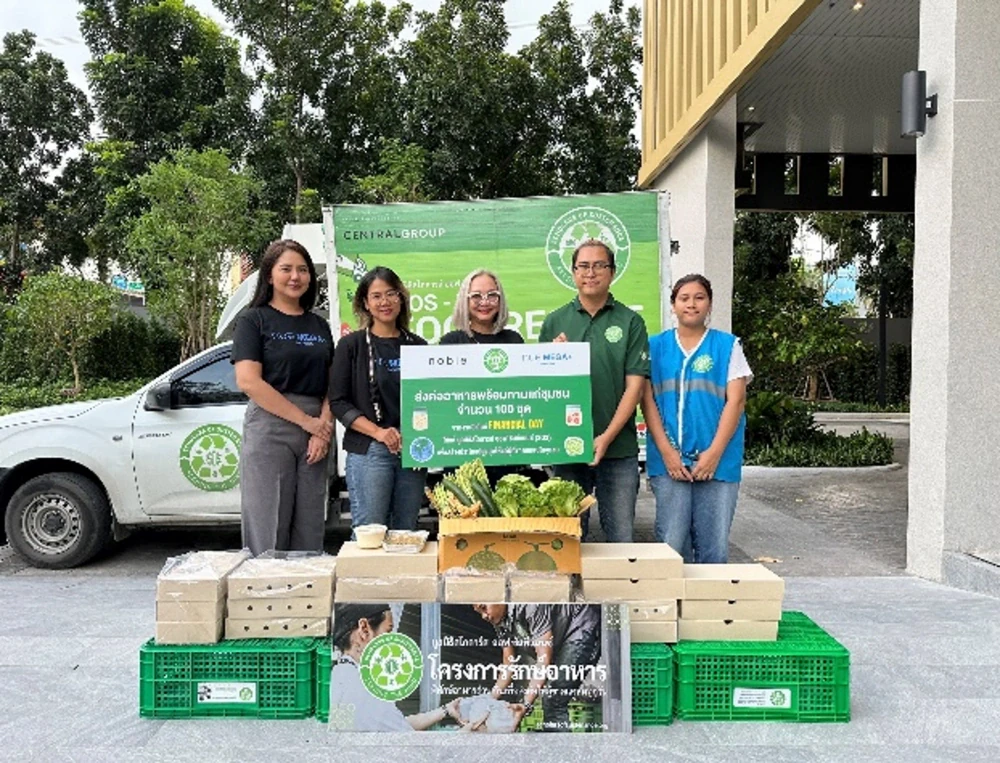
In 2025, the Company collaborated with external organizations through three initiatives to reduce waste generation and promote environmental sustainability. First, the Company participated in a food rescue program with the Scholars of Sustenance Foundation Thailand (SOS Food Rescue), which collects surplus food and redistributes it to vulnerable communities. This initiative helps reduce food waste and mitigate its environmental impacts.
Second, through the Noble Green for All program, the Company partnered with local communities in Phatthalung Province to establish aquatic animal banks and release juvenile shrimp into natural ecosystems. The initiative aims to restore aquatic biodiversity and support the long-term sustainability of local natural resources.
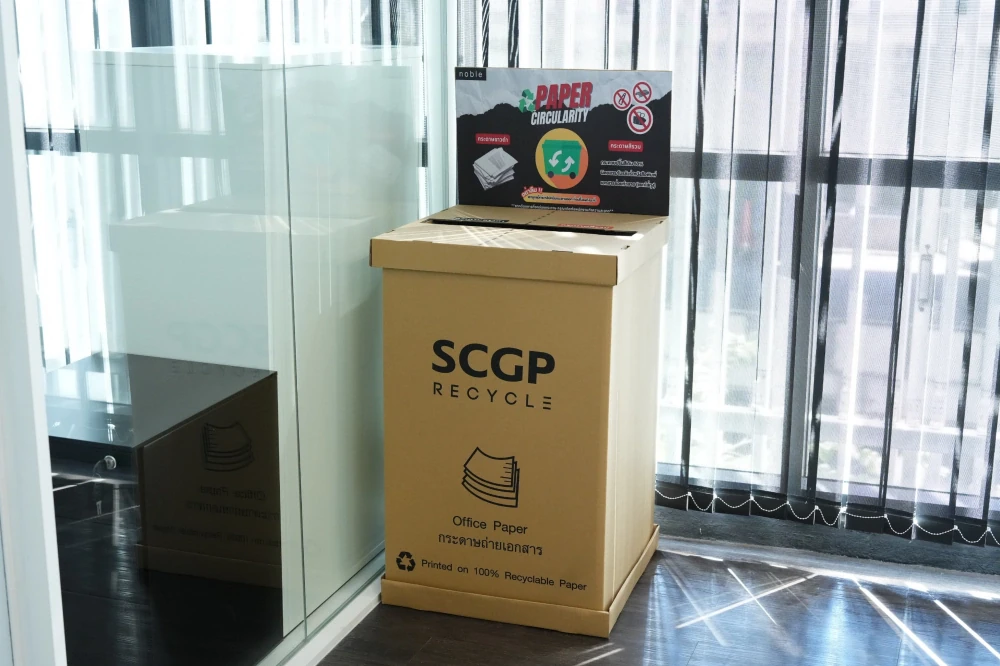
Third, the Company collaborated with SCG to recycle waste paper generated from office operations. Collected paper waste was processed into recycled paper products, helping to divert waste from landfill disposal and reduce the consumption of virgin natural resources.
These initiatives reflect the Company's commitment to responsible waste management, circular economy principles, and environmental stewardship through collaboration with external stakeholders.
Stakeholders Directly Impacted

Executives & Employees

Customers

Community & Society

Government Agencies

Investors & Shareholders

Suppliers & Contractors