
Occupational Health and Safety


Goal and Performance Highlights
Goal

Performance 2025
Work Related Injuries
| Operating Performance | Target | 2025 | |||
|---|---|---|---|---|---|
| Employees | Construction Sites /4 | ||||
| No. of incidents | Ratio | No. of incidents | Ratio | ||
| Injury Rate /1 | 0 | 0 | 0 | 0 | 0 |
| Occupational Diseases Rate /2 | 0 | 0 | 0 | 0 | 0 |
| Lost Time Injury Frequency Rate (LTIFR) /3 | 0 | 1 | 0.12 | 0 | 0 |
| Fatality | 0 | 0 | 0 | 0 | 0 |
Remark:
/1 Injury Rate calculated by multiplying the number of injuries by 200,000 (200,000 is the standard number used for calculation from OSHA (The Occupational Safety and Health Administration)) divided by total hours worked.
/2 Occupational Diseases Rate calculated by workers suffering from occupational diseases divided by the product of the total hours worked by 200,000 (200,000 is the standard number used for calculation from OSHA (The Occupational Safety and Health Administration)).
/3 Lost Time Injury Frequency Rate: (No. of injury * 200,000) / No. of working time.
/4 Construction Sites for projects under construction.
Commitment, Challenge and Opportunity
The Company is committed to continuously ensuring occupational health and safety in accordance with corporate governance principles and relevant laws. The Company strives to create a safe working environment, prevent workplace accidents and occupational diseases, and promote training programs to enhance safety awareness among employees and all stakeholders.
Nevertheless, the management of occupational health and safety continues to face challenges arising from unpredictable risks such as construction site accidents, environmental changes, and the need to instill discipline and collaboration among employees and business partners to strictly comply with safety measures.
On the other hand, advancing occupational health and safety standards presents opportunities to reduce losses, strengthen stakeholder confidence, and enhance the Company’s reputation as a socially and environmentally responsible real estate developer. These efforts are aligned with SDG 3: Good Health and Well-Being and support the Company’s long-term sustainable growth.
Management and Operational Approach
Occupational Health and Safety Policy
The Company considers occupational health and safety (OHS) a critical aspect of its operations, focusing on effective health and safety management and the prevention of work-related injuries and illnesses. It is committed to protecting employees and all stakeholders, including contractors, suppliers, customers, and communities from occupational risks. The Company aims to provide a safe and healthy work environment by strictly complying with relevant laws and standards, continuously improving safety measures, and fostering employee engagement and awareness through training and active participation.
The Company’s OHS management framework includes the following key principles:
- Management Involvement: played an active role in promoting workplace safety and health, emphasizing the importance of collective responsibility and ensuring adequate resources are allocated to support safety initiatives.
- Risk Assessment: Potential hazards arising from the Company’s activities, whether at construction sites, factories, sales offices, or the headquarters are identified to establish preventive and risk reduction measures.
- Policy and Goal Setting: The Company has implemented an occupational health and safety policy aligned with operational practices and in full compliance with applicable laws, regulations, and standards. The goal of zero workplace accidents has been clearly defined.
- Work Planning: Responsibilities related to occupational health and safety are assigned to relevant departments. Both preventative and corrective action plans are developed to ensure effective management of potential incidents or hazards.
- Training, Awareness, and Engagement: Relevant departments are responsible for training employees and stakeholders to raise awareness of safety procedures, proper conduct, and active participation in hazard reporting and continuous improvement of OHS practices.
- Monitoring, Evaluation, and Continuous Improvement: Regular monitoring, evaluation, and reporting ensure the Company’s OHS practices are consistently reviewed and enhanced. Findings from safety reports are used to implement and refine effective safety measures. Occupational health and safety matters are reported to the Executive Committee on an annual basis.
Occupational Health and Safety Practices in Construction Projects
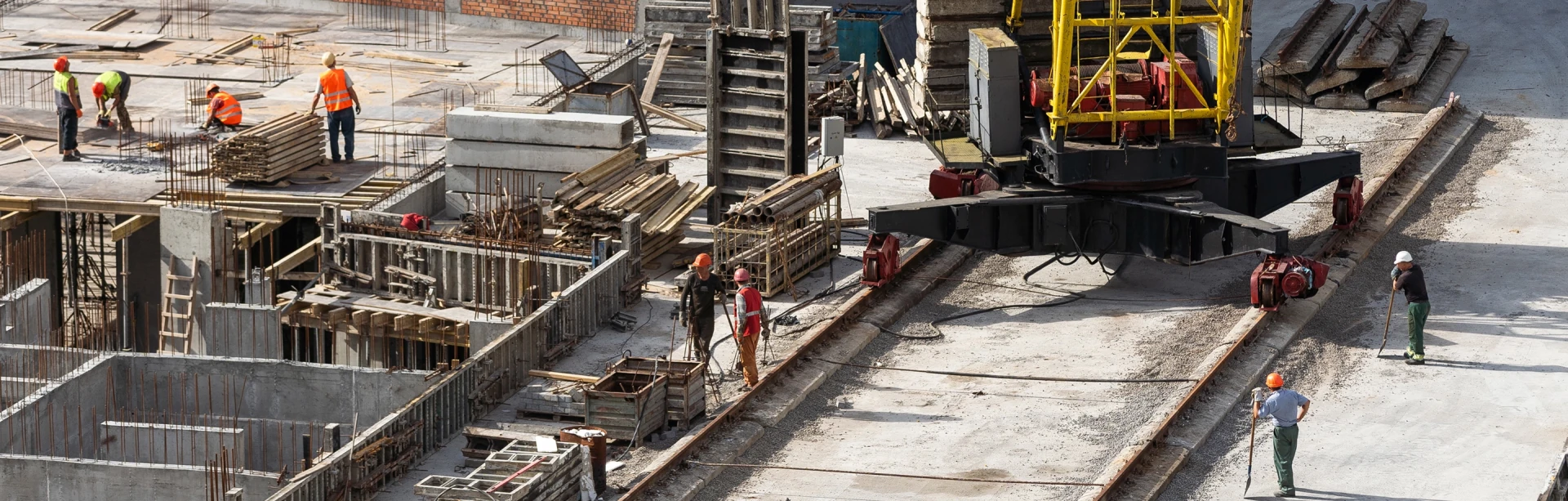
The Company places strong emphasis on strict compliance with all relevant occupational health, safety, and environmental laws and regulations during construction projects. Construction sites are required to conduct environmental impact assessments (EIA) and designate personnel responsible for occupational health and safety management. The working environment must be controlled to ensure safety for all stakeholders, and appropriate safety equipment and protective measures must be in place. Key practices include:
- Conducting annual health check-ups for construction workers at least once per year.
- Providing first aid rooms or first aid kits on-site as required by law.
- Assigning certified safety officers and security personnel to the site.
- Organizing training for workers and ensuring compliance with the Safety, Occupational Health, and Environmental Manual.
- Performing regular inspections of machinery and equipment according to safety and occupational health guidelines for construction work environments.
- Ensuring the availability of personal protective equipment (PPE) on-site.
- Regularly inspecting the effectiveness of all protective equipment.
- Installing safety signs and warning signals around construction areas.
- Managing parking facilities for trucks transporting construction materials and shuttle vehicles for workers.
- Maintaining cleanliness and orderly arrangement of materials and equipment, prohibiting installation, stacking, or erecting structures in public areas.
- Providing adequate lighting around construction sites and ensuring proper ventilation according to the Ministry of Interior regulations.
- Regularly inspecting sanitary systems, including clean drinking water, water for general use, and proper waste disposal facilities.
- Procuring accident insurance for the project to cover bodily injuries and damage to neighboring properties.
- Recording and maintaining statistics on accidents and health issues among construction workers and displaying accident statistics at the project entrance.
Occupational Health and Safety Practices in the Workplace
The Company places great importance on employees’ health, occupational health, and workplace safety. It is committed to providing a safe, hygienic, and healthy working environment that supports employees’ well-being and quality of life. The Company also promotes the prevention of work-related accidents, injuries, and illnesses through the implementation of occupational health and safety measures that are appropriate to the nature of its business operations.
The Company regularly communicates, reviews, and monitors its occupational health and safety performance to continuously improve workplace safety standards and minimize risks that may affect employees, visitors, contractors, and other relevant stakeholders.
The Company is committed to promoting employees’ health and well-being by providing annual health check-ups to assess and monitor health risks, as well as health and accident insurance coverage to ensure employees have access to appropriate medical care in accordance with the applicable terms and conditions.
In addition, the Company promotes preventive healthcare and proactive wellness initiatives by offering annual influenza vaccinations to interested employees. This helps reduce the risk of illness and supports employees’ overall health and well-being.
To provide a healthy working environment, the Company ensures adequate lighting appropriate to job requirements and maintains proper ventilation and air circulation systems. These measures contribute to a safe, hygienic, and healthy workplace that supports employees’ well-being and productivity.
The Company places great importance on fire prevention and emergency preparedness by implementing fire prevention and firefighting plans, as well as safety measures designed to minimize fire risks and mitigate potential impacts on employees and Company assets.
Electrical equipment and installations are maintained in accordance with safety standards, and appropriate protective safety devices are provided. The Company also maintains fire detection and alarm systems covering workplace areas, together with firefighting equipment that is always readily available. Portable fire extinguishers are strategically located throughout the premises and are regularly inspected to ensure operational readiness.
In addition, the Company provides clearly marked emergency exits, evacuation routes, and directional signage to facilitate the safe and efficient evacuation of employees during emergencies. Regular communication and fire evacuation drills are conducted to enhance employees’ awareness and preparedness, ensuring they can respond appropriately and safely in the event of a fire or other emergency situations.
In 2025, the Company conducted one fire evacuation drill covering employees within its operational areas to test the effectiveness of emergency notification systems, evacuation procedures, and overall emergency response preparedness.
The Company places great importance on the safety and security of employees, visitors, and corporate assets. Appropriate security measures are implemented to control access to workplace areas and mitigate potential security risks.
The Company maintains 24-hour security personnel at its premises and has installed Closed-Circuit Television (CCTV) systems covering both indoor and surrounding areas of all office buildings. These measures help monitor and respond to incidents that may affect the safety and security of employees and workplace facilities.
In addition, the Company utilizes an Access Control System at its headquarters, Noble Building, to manage and restrict access rights according to authorized levels. Employees are required to verify their identity through fingerprint or facial recognition systems before entering work areas, enhancing security management and preventing unauthorized access to Company premises.
The Company regularly conducts occupational health and workplace environment risk assessments to identify, prevent, and mitigate potential risks that may affect employees’ health and safety. In 2025, the Company assessed lighting levels within working areas and improved lighting systems to ensure they were appropriate for specific job functions, thereby promoting a safe and healthy working environment.
In addition, the Company conducted risk assessments for employees involved in project management and site visits to construction areas. The assessment results were used to establish workplace safety standards and determine appropriate personal protective equipment (PPE) requirements, including safety helmets, safety footwear, high-visibility vests, and other protective equipment relevant to specific job responsibilities. These measures help prevent workplace accidents and reduce occupational risks associated with project site operations.
Stakeholders Directly Impacted

Executives & Employees

Customers

Community & Society

Government Agencies

Investors & Shareholders

Suppliers & Contractors

Creditors